Say It Before the Doubt Arrives
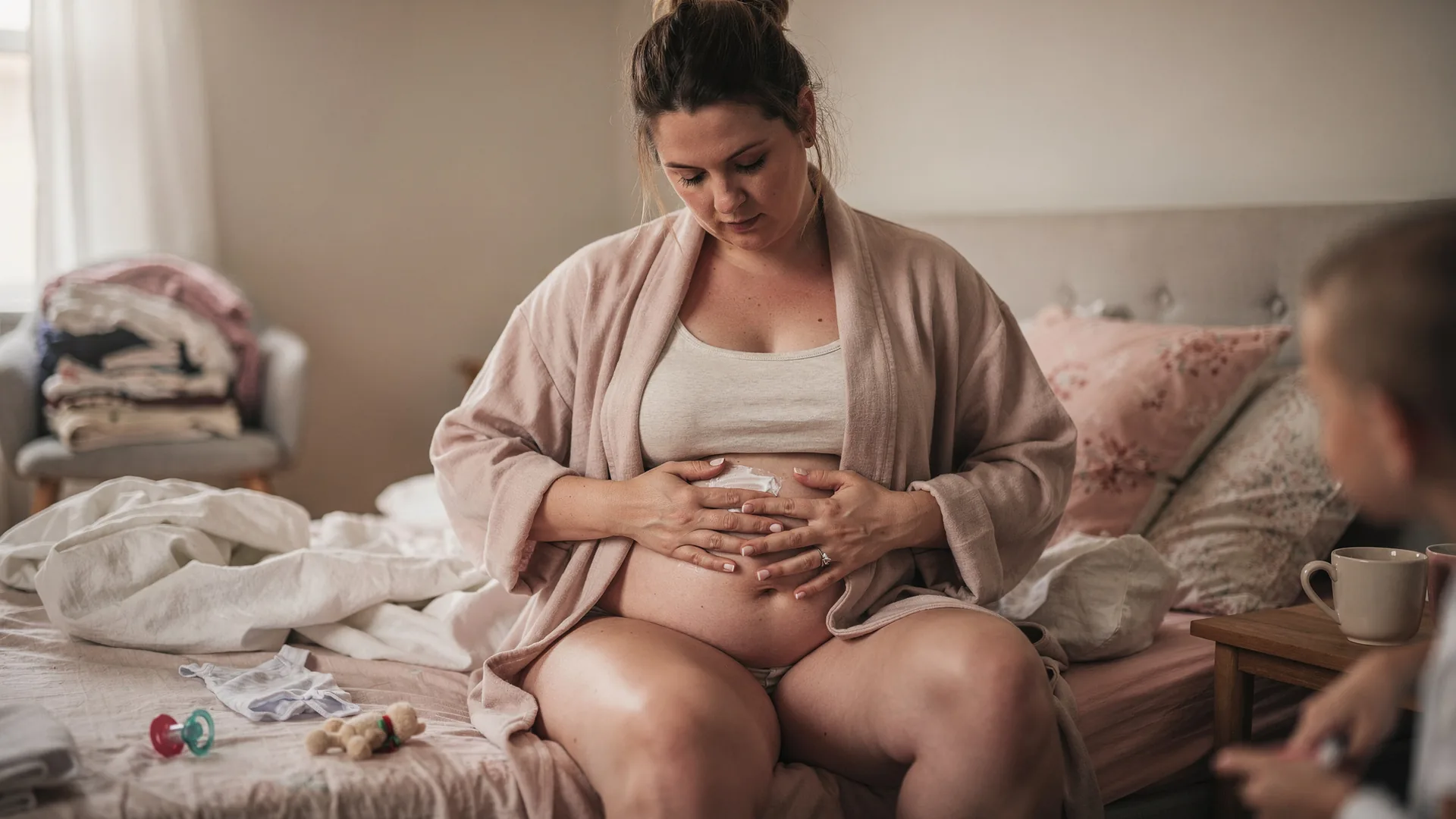
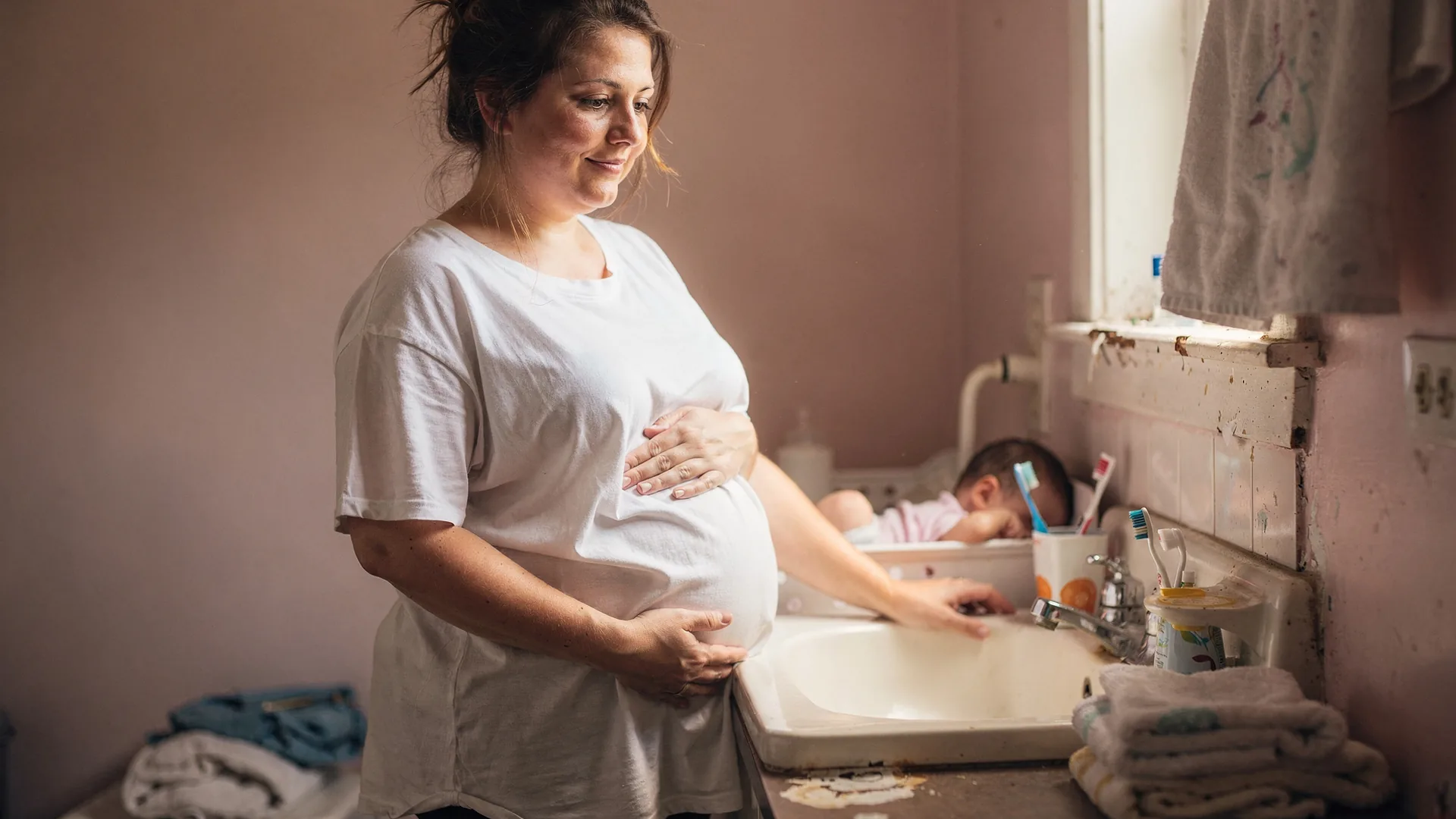
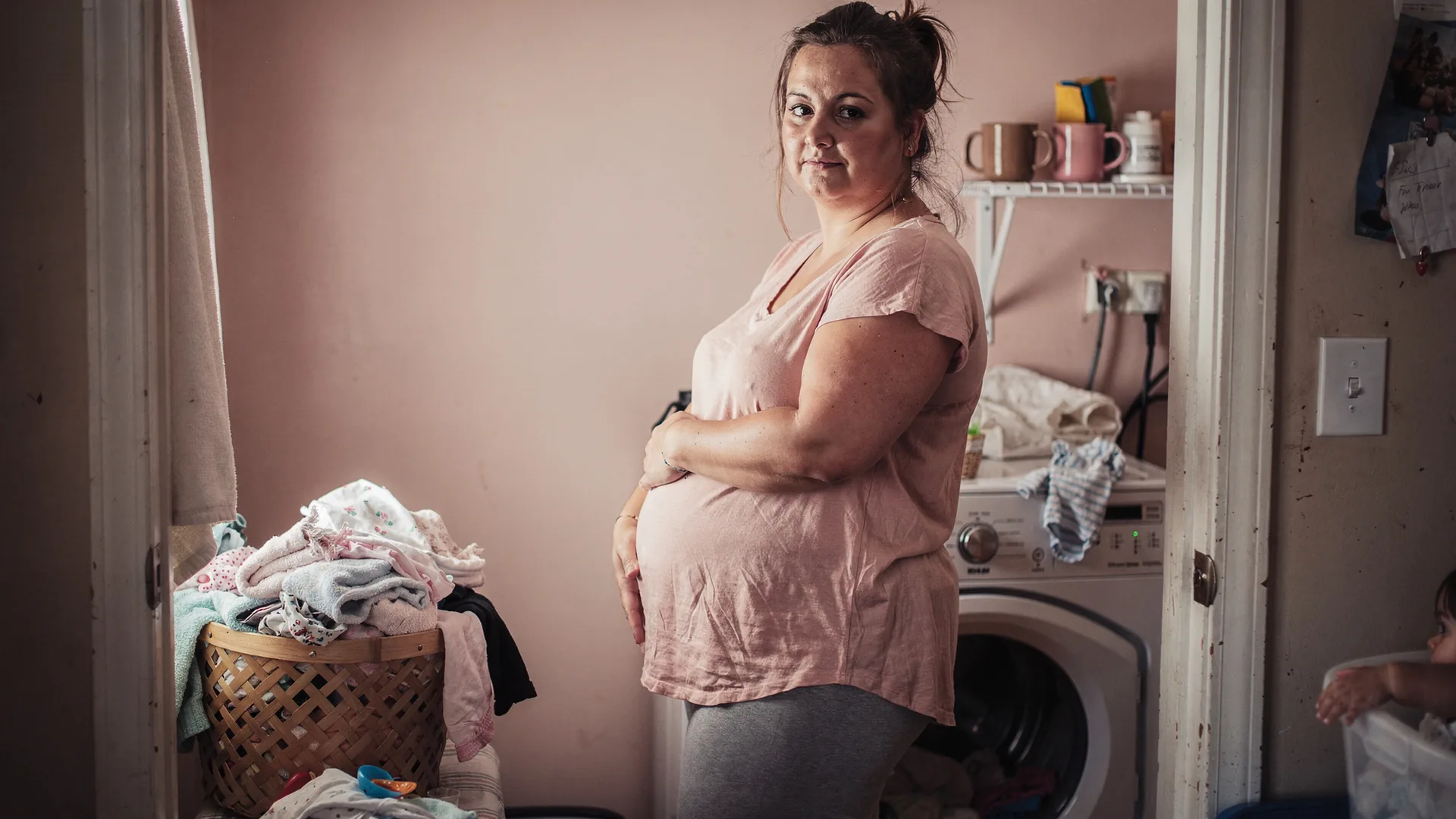
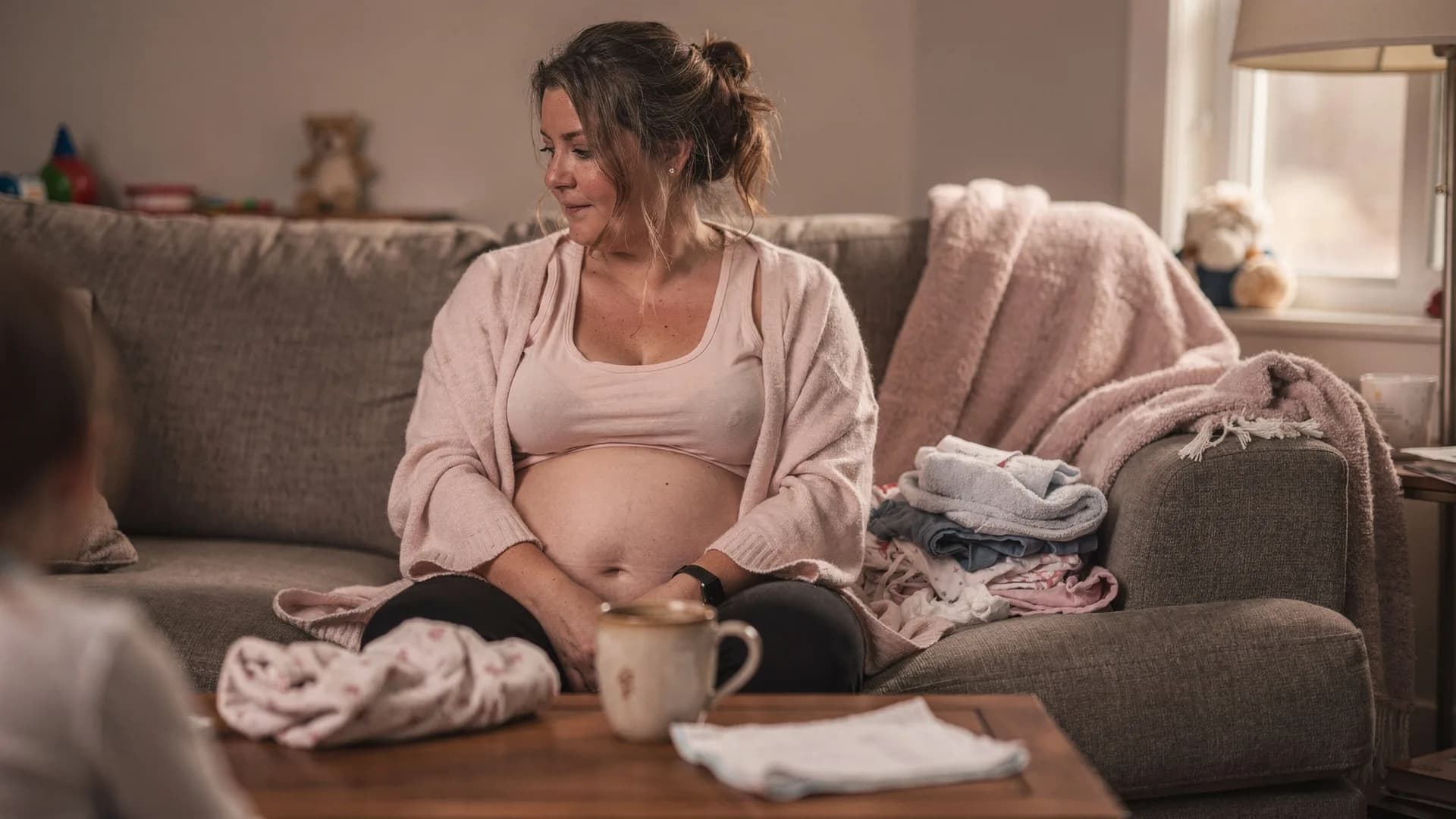
Softness is not failure. Read it again before the old voice jumps in to argue, because it will argue — it has been trained to, and so have you. The belly that gives when you press it, the arms that are rounder, the face that has lost its sharp winter angles: none of that is a report card, and none of it is a moral event.
We have been handed a strange equation in which firmness is virtue and softness is a personal failing, as if a woman could discipline her way out of being a mammal. But you just grew and delivered and are possibly feeding another human with your own body. Soft is not what went wrong. Soft is frequently the evidence that everything went right.
You are allowed to be softer, stronger, exhausted, ravenous, healing, and still entirely worthy of care — all at once, no permission slip required. Those things are not in competition. A body can hold all of them in the same tired Tuesday.
What the Word Actually Means
Somewhere along the way softness got recast as the opposite of strength, and that is simply bad accounting. Softness is what a body does when it has been through something enormous and is still functioning. It is padding over an incision. It is reserves your body is holding onto on purpose, because it does not trust that you will remember to eat.
Think about what soft things actually do in the world. They absorb shock. They cushion. They comfort. A soft body is not a weak body; it is often a body that has been load-bearing for months and has the resilience to prove it. Strength that only counts when it is visible and cut was never real strength — it was a costume.
And the exhaustion that comes with all this is not a character flaw either. Running low is a signal, not a shortcoming, and it deserves a response rather than a scolding — which is its own separate skill, the one in asking for help before you hit the wall.
There is also a quiet biology to the softness that the shame conveniently ignores. Your body held on to reserves because it did not trust the food supply during the most demanding physical stretch of your life. That is not sabotage. That is a system doing exactly what millions of years built it to do, and punishing it for its competence is a strange way to say thank you.
Softness is not the absence of strength. Sometimes it is the evidence of survival.
The Cost of the War
Consider what the war against your own softness is actually costing you. Hours in front of mirrors. Meals half-eaten out of guilt while your body begs for fuel. A running commentary in your head so hostile you would call the police if someone said it to your child. That is not health. That is a tax you pay in attention you do not have to spare.
Meanwhile the softness does not care about the war. It stays. It is not the enemy waiting to be defeated; it is a part of you standing in the room while you shout at it. At some point the kinder and frankly more efficient move is to stop fighting and start feeding — the body, and the self.
This is close cousin to the reframe that your belly is not something to make peace with by making it flat. Tenderness is not a reward you unlock at a goal weight. It is the starting condition, available now.
Care Without a Condition
So here is the practice, and it is harder than any workout. Care for the soft body as if it already deserves it, because it does. Feed it on time. Rest it when it asks, not when you have earned rest, which under these rules is never. Dress it in things that feel good against the skin today.
Notice that none of this is about staying soft forever or getting firmer eventually. Bodies change in both directions across a life, and yours will keep doing that regardless of your opinion. The point is that your worth does not ride on the direction. You are not more lovable at one density than another.
The whole culture of the snap-back rests on the idea that this softness is a temporary embarrassment you must correct to be acceptable again. It is a lie with excellent marketing, and there is a whole rebuttal to it in the no bounce-back manifesto.
Softness is not the absence of strength. Sometimes it is the receipt. Let your body be soft and cared-for at the same time — that is not a contradiction. That is just what survival looks like when someone is finally kind to it.