The Genre of the Split Screen
Transformation posts have a grammar, and you have read it a thousand times: the slouched figure in bad light on the left, the bright cinched grin on the right, an arrow of moral improvement pointing from shame toward salvation. The caption promises that a smaller woman was hiding inside the larger one all along, like a prize in a cereal box, waiting for enough discipline to be let out.
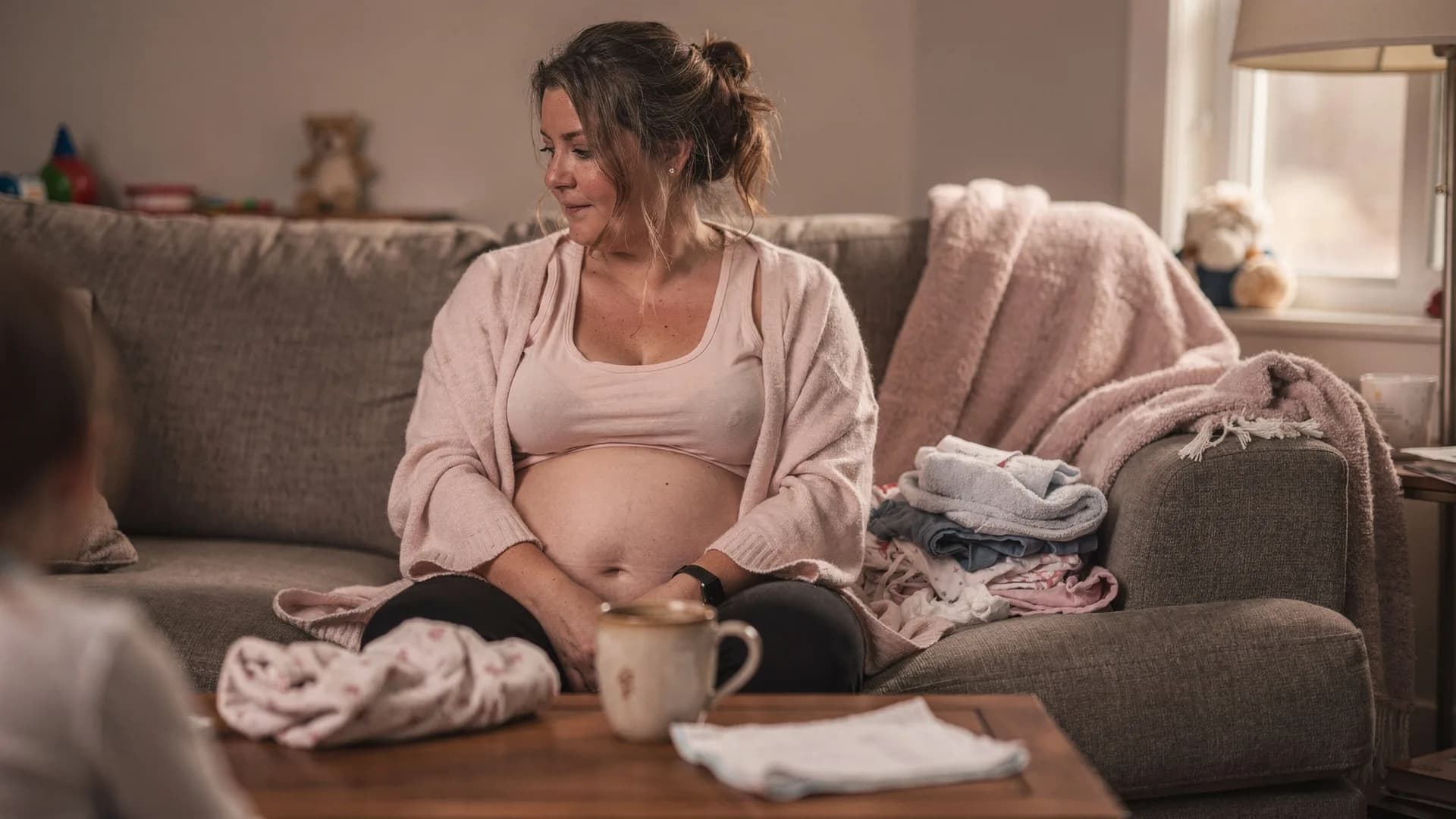
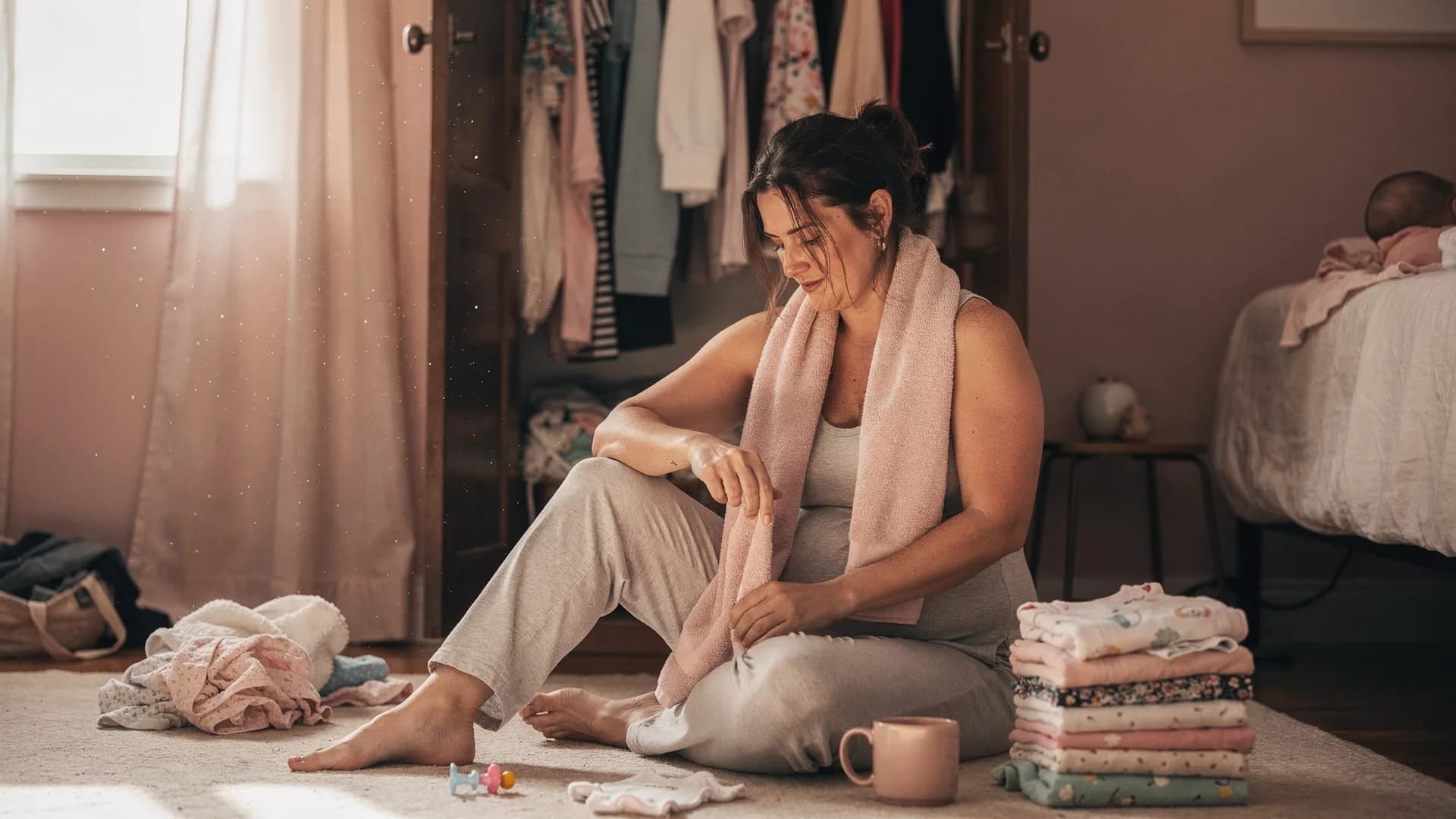
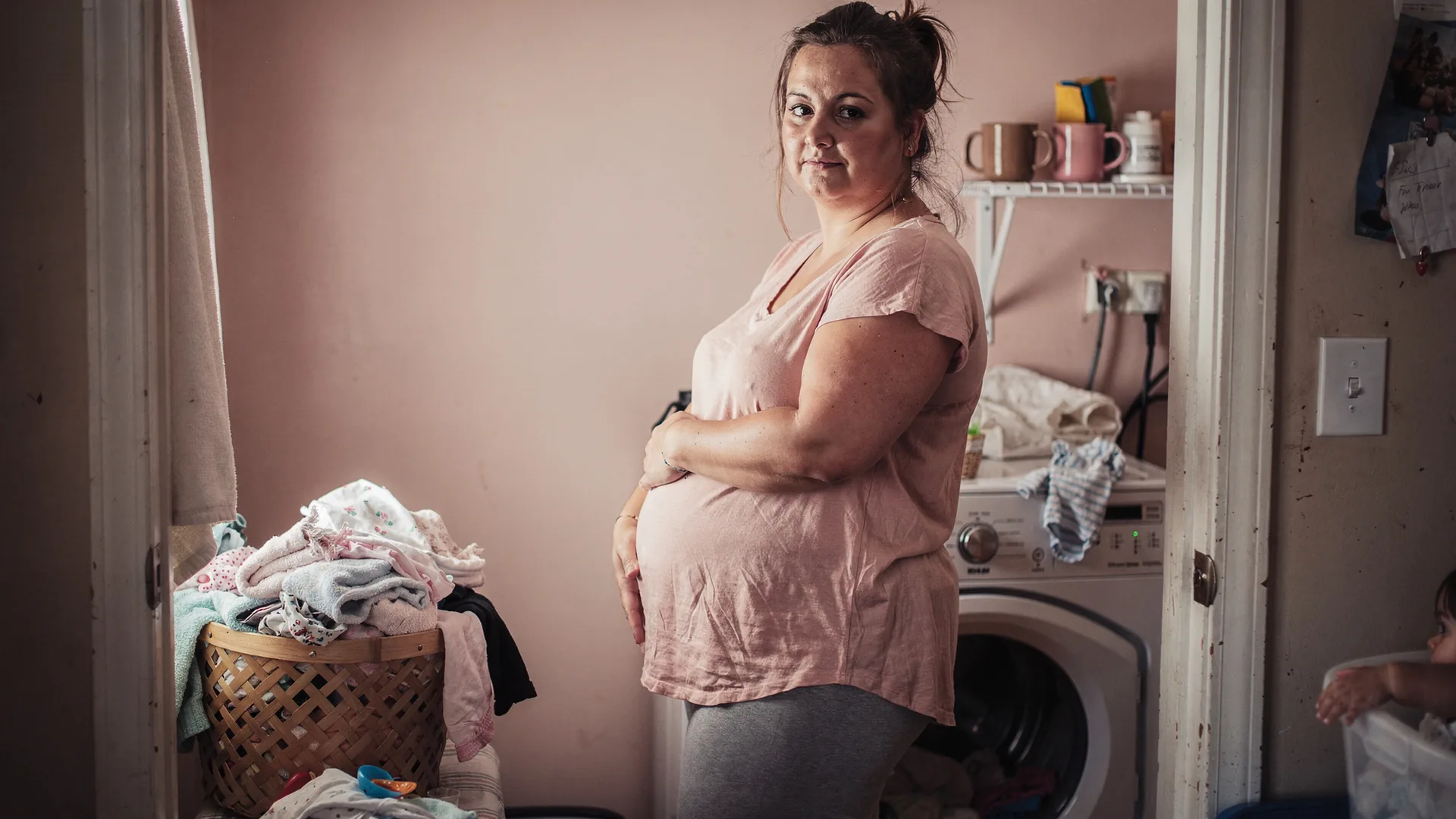
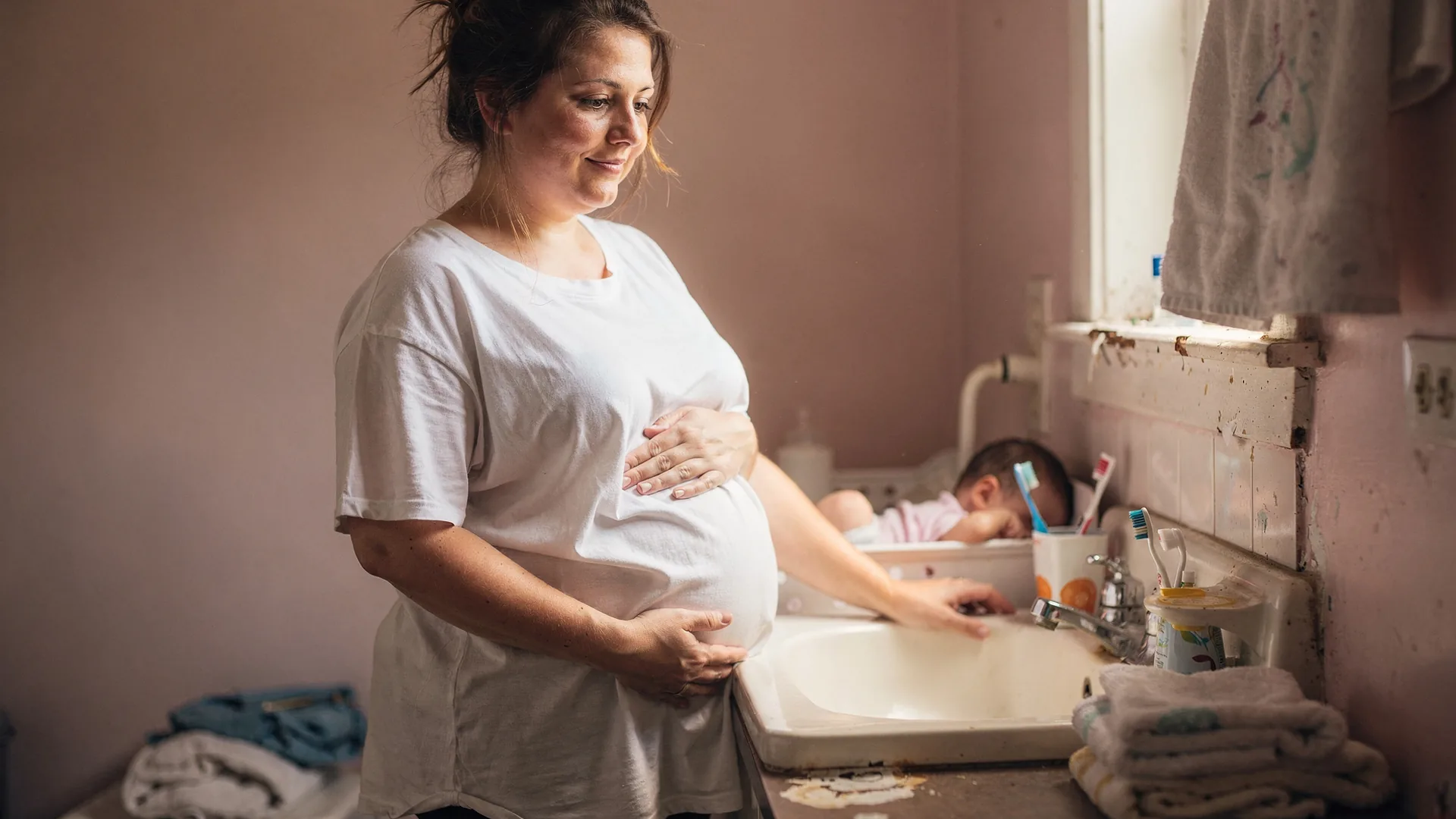
You took one of those photos yourself, maybe. Standing in the bathroom three days after the birth, holding the phone at the angle that flattens, telling yourself it was for the after. As if the woman in the frame were a rough draft. As if the real you were somewhere down the calendar — thinner, finished, finally allowed to be photographed for keeps.
But look at what that word is doing. Before assumes an after. It assumes a destination where you arrive, corrected, and the story politely stops. It quietly files this Tuesday — the baby real, the back aching, the coffee cold — under temporary.
Nothing About Today Is Provisional
There is nothing temporary about this Tuesday. Your kid learns the word for dog today, in this body. You laugh so hard at 4 p.m. you have to sit down, in this body. The afternoon does not hold its breath waiting for your waistband to shrink before it agrees to count.
The transformation industry needs you to believe otherwise, because a woman at peace does not buy the tea, the wrap, the plan. It sells the gap between you and the after, and it will keep widening that gap for as long as you keep paying to close it. That is not a health movement. That is a subscription to your own dissatisfaction.
And notice who gets left out of the after entirely. The version of you that made someone laugh at the grocery store, that solved a problem at work, that held a friend through a hard night — none of that fits in a side-by-side. The genre can only measure inches. It has no column for the enormous, unphotographable things this body did while you were busy resenting its shape.
It helps to notice that the camera was never neutral. It chose the light, the angle, the second when your stomach was softest and your face was tired. A photograph is a single frame arguing to be the whole film. You do not have to let it win the argument.
Your body is not an apology note. It is the place where your life is still happening.
Occupancy, Not Renovation
Try thinking of your body as a place you live rather than a project you owe the world. You do not renovate a house you are actively sheltering in during a storm; you keep it warm, you keep it fed, you fix the roof when the roof needs fixing. Care, in other words, aimed at function and comfort — not at some magazine ideal of curb appeal.
This is not the same as giving up, though the industry would love for you to confuse the two. Feeding yourself, resting, moving because it feels good, dressing the body you have today — none of that is surrender. Softness is not the same as neglect, a distinction worth sitting with in the case that softness is not failure.
And when the old scripts get loud, remember there is a whole refusal available to you — a flat no to the entire premise that you must snap back to earn your place. That refusal has a name and a spine, laid out in the no bounce-back manifesto.
The Photographs Worth Keeping
Here is the quiet grief nobody warns you about: mothers vanish from the family album. You are the one holding the camera, or you are hiding from it, waiting to be photogenic enough to be documented. Years pass and your child has almost no pictures of your face — the actual face that leaned over the crib and sang off-key at 2 a.m.
Get in the frame anyway. Soft belly, tired eyes, unbrushed hair, all of it. Your kid will not zoom in on your midsection when they are thirty and missing you. They will look for the eyes. They will look for proof that you were there, close enough to be blurry.
Your body is not an apology in progress. It is the place where your whole life is currently happening — and it deserves to be seen in the present tense, not filed under before. If getting dressed for that photo feels impossible some mornings, that is its own tender problem, one worth meeting gently the way nothing in your closet feeling like yours deserves to be met.