Nobody Warns You It Might Ache
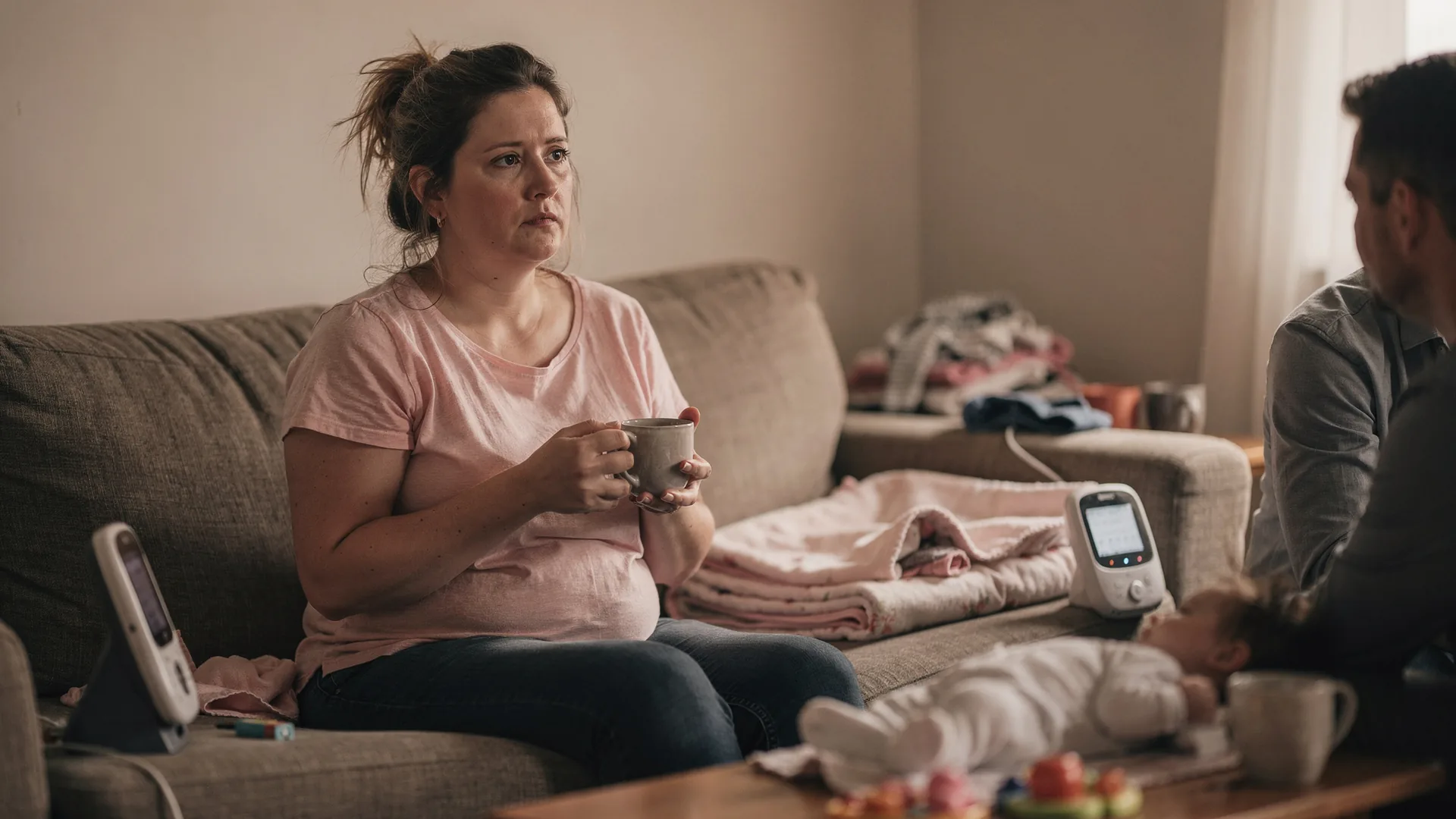
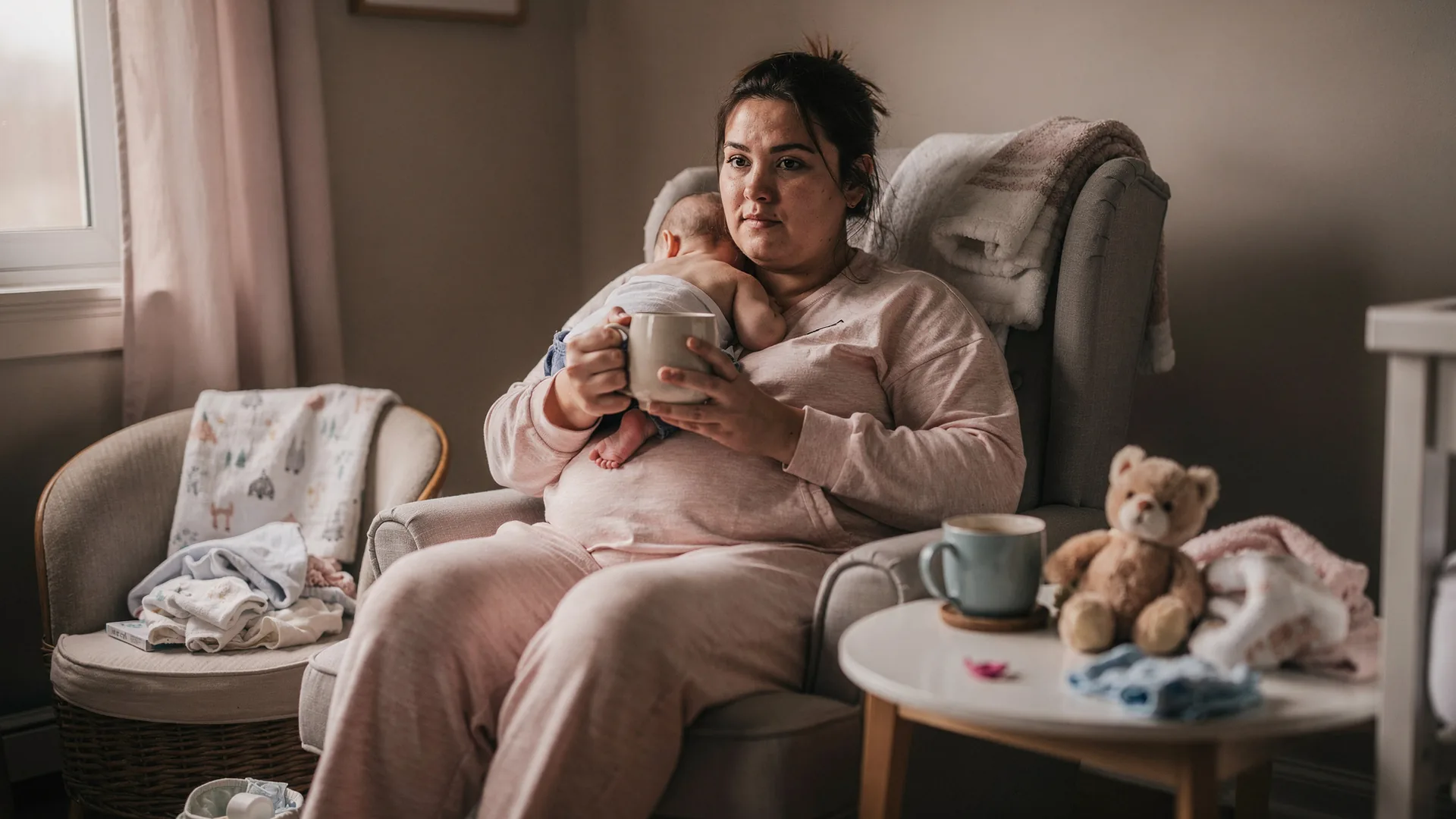
You expected relief, maybe a little freedom, possibly your body back. Nobody told you that ending this feeding chapter could feel like the end of a relationship — that you might sit in the nursing chair after the last session and cry without fully understanding why. Weaning gets talked about as a milestone, a logistics change, a box to tick. It is also, quietly, a goodbye, and grief does not check whether you gave it permission first.
This is true even when you are the one who chose it, even when you were ready, even when you'd been counting the days. Being done and being sad are not contradictions. A chapter is closing — a specific, physical intimacy that will not come back in this form — and the ache that shows up is a reasonable response to that, not evidence that you made the wrong call.
Grief and Relief, Holding Hands
The confusing part is how many feelings arrive at once, some of them apparently opposed. Relief that your body is yours again. Grief for a closeness that's ending. Guilt, sometimes, about the relief. A strange nostalgia for 3 a.m. feedings you swore you hated. These don't cancel each other out; they occupy the same room at the same time, and the mind keeps waiting for one to win so it can feel a single clean thing.
It won't, and it doesn't have to. Relief and grief hold hands constantly in motherhood — you can be glad a hard thing is over and mourn it in the same breath. Letting both be true, instead of forcing yourself to pick the “correct” emotion, is most of the work. There is nothing wrong with you for feeling the loss inside the freedom.
It also doesn't help to rank the feelings — to decide the grief is indulgent because the relief is real, or that the relief is callous because the grief is real. They're just weather, both of them true, both passing through at their own pace. You can let them coexist without appointing a winner or apologizing for whichever one is louder that day.
Relief and grief can hold hands. They do it all the time.
The Weather System Underneath
There's a physiological layer to this that often goes unmentioned, and it can catch you off guard. Weaning shifts the hormonal landscape that nursing set up, and for some people that shift comes with a genuine wave of low mood, weepiness, or irritability that seems to arrive from nowhere. It can feel like the emotions are out of proportion to the event, and part of the reason is that there is real biochemical weather moving through underneath them.
Knowing that helps, because it means the sadness isn't necessarily a verdict on your decision — it may partly be the tide going out. Still, if the low mood lingers or deepens rather than passing, that is worth mentioning to your clinician rather than white-knuckling alone. Weaning and mood can be tangled, and a professional can help you sort the ordinary hormonal dip from something that deserves more support.
What You're Actually Grieving
Sometimes the ache isn't really about the feeding at all. It's about time passing — this being the end of a stage that will not return, proof that the baby is becoming less of a baby. And sometimes it's tangled up with your sense of who you are, because for months your body had this one clear, irreplaceable job, and now it doesn't, and the space that opens up can feel less like freedom and more like a question.
That question belongs to a larger one about selfhood after a baby, and it's allowed to surface here. Missing the version of you who nursed, or simply missing yourself, doesn't mean you regret anything — you can miss yourself without resenting your baby, and weaning is exactly the kind of threshold that brings that ache to the surface.
Give that question room rather than rushing to answer it. The space weaning opens up doesn't have to be filled immediately with productivity or a new project. Sometimes it's just quiet, and quiet after months of being constantly needed can feel strange for a while before it starts to feel like yours again.
Letting the Chapter Close
So be tender with yourself through it. Mark it, if that helps — acknowledge the last feeding, let yourself feel the weight of it, don't rush to declare that you're fine. This can be a slow ending or a fast one depending on how you go about it, and either way you're allowed to move through it at the pace your body and heart actually keep.
And notice that weaning often overlaps with wanting your body and your closeness on your own terms again — sometimes alongside feeling touched out and still wanting to be loved, which is its own knot to untangle. Whatever comes up as this chapter closes, let it come. Relief and grief will keep holding hands for a while, and that is not a problem to solve. It's just what the ending of something that mattered feels like.