"Please, Just Don't Touch Me for a Second"
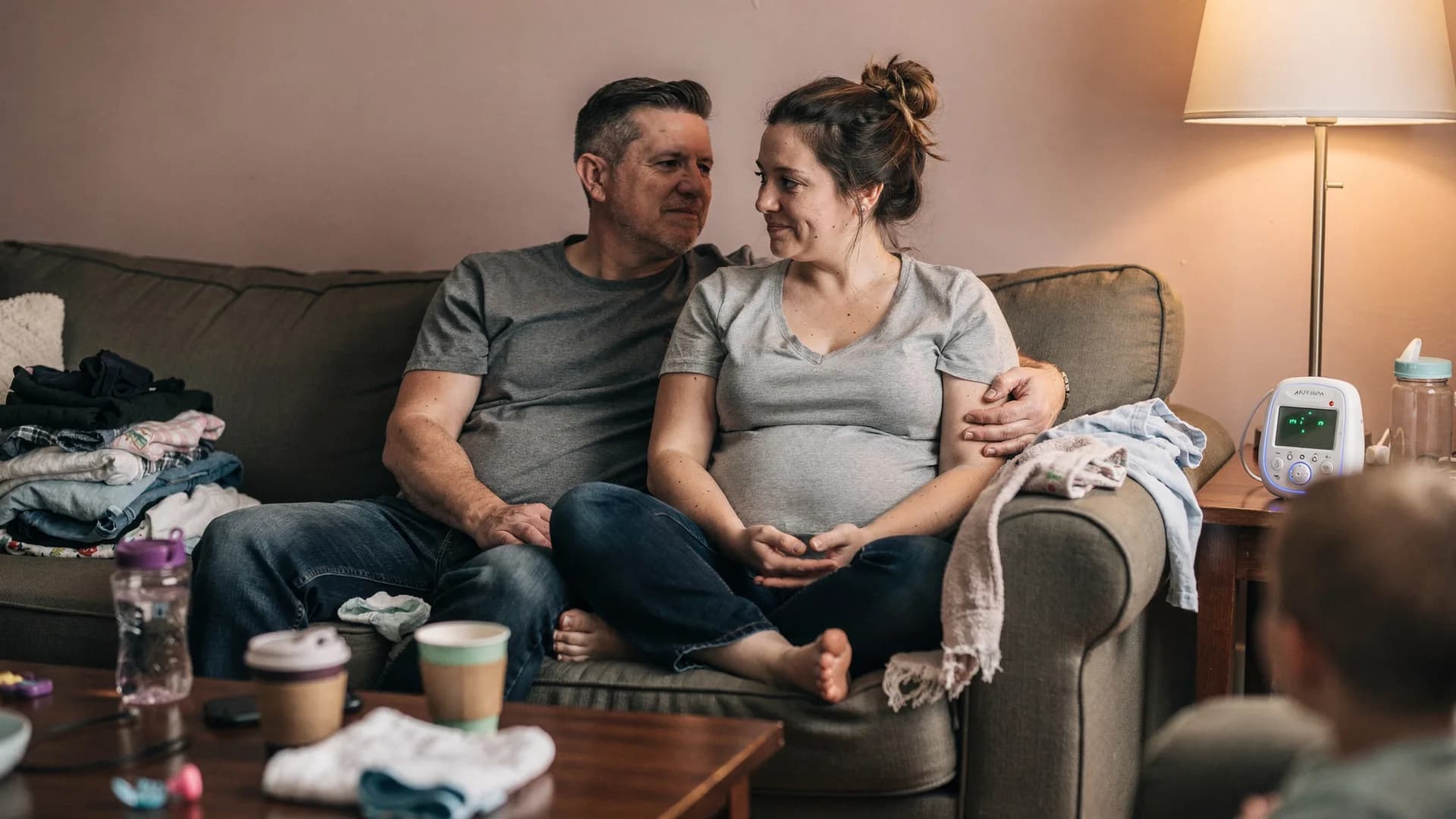
"Please, just — don't touch me for a second." You hear yourself say it to your partner, who was only reaching for your hand, and you watch the small flinch of hurt cross their face, and you feel like a monster. You've been climbed on, latched onto, and worn like a sling since 6 a.m. Your body has been public property all day. And now the one adult you love wants to hold your hand, and your entire nervous system says no, and you don't have a good way to explain that it isn't about them.
There's a name for this, and it isn't cruelty. It's being touched out — the specific, physical overwhelm of having given your body to other people's needs until your skin itself feels like it's had enough. It's not that you've stopped loving anyone. It's that your capacity for physical contact has a bucket, the bucket is full, and it's been overflowing since lunch.
Where the Overwhelm Comes From
A new baby is a full-body job in the most literal sense. Skin-to-skin, feeding, carrying, rocking, the small hot weight of them against you for hours. It's beautiful and it's constant, and constant is the operative word. Even wonderful sensation, delivered without pause and without your say-so, tips from comfort into too much. Your senses aren't broken. They're just maxed.
The cruel timing is that this often coincides with the moment everyone starts asking when things will "get back to normal" in the bedroom. So you're navigating a body that has hit its sensory ceiling while also feeling a fresh pressure to make it available in yet another way. It's no wonder low desire in this season is a signal, not a defect. A touched-out body isn't a broken one. It's a body that's been on shift without a break.
You can crave tenderness and still need nobody to touch you for a minute.
The Contradiction That Confuses Everyone
Here's the part that makes people — including you — feel crazy: you can be completely touched out and still ache to be held. You can want nobody's hands on you and also miss being wanted. The desire for tenderness doesn't switch off just because your capacity for physical contact did. They run on different circuits.
This is why it's not a contradiction that needs resolving so much as a truth that needs stating: wanting space and wanting touch can genuinely both be real in the same hour. What you often need is affection on different terms — closeness that doesn't ask anything of your skin. To be sat beside. To be brought tea. To be looked at with warmth from across the room.
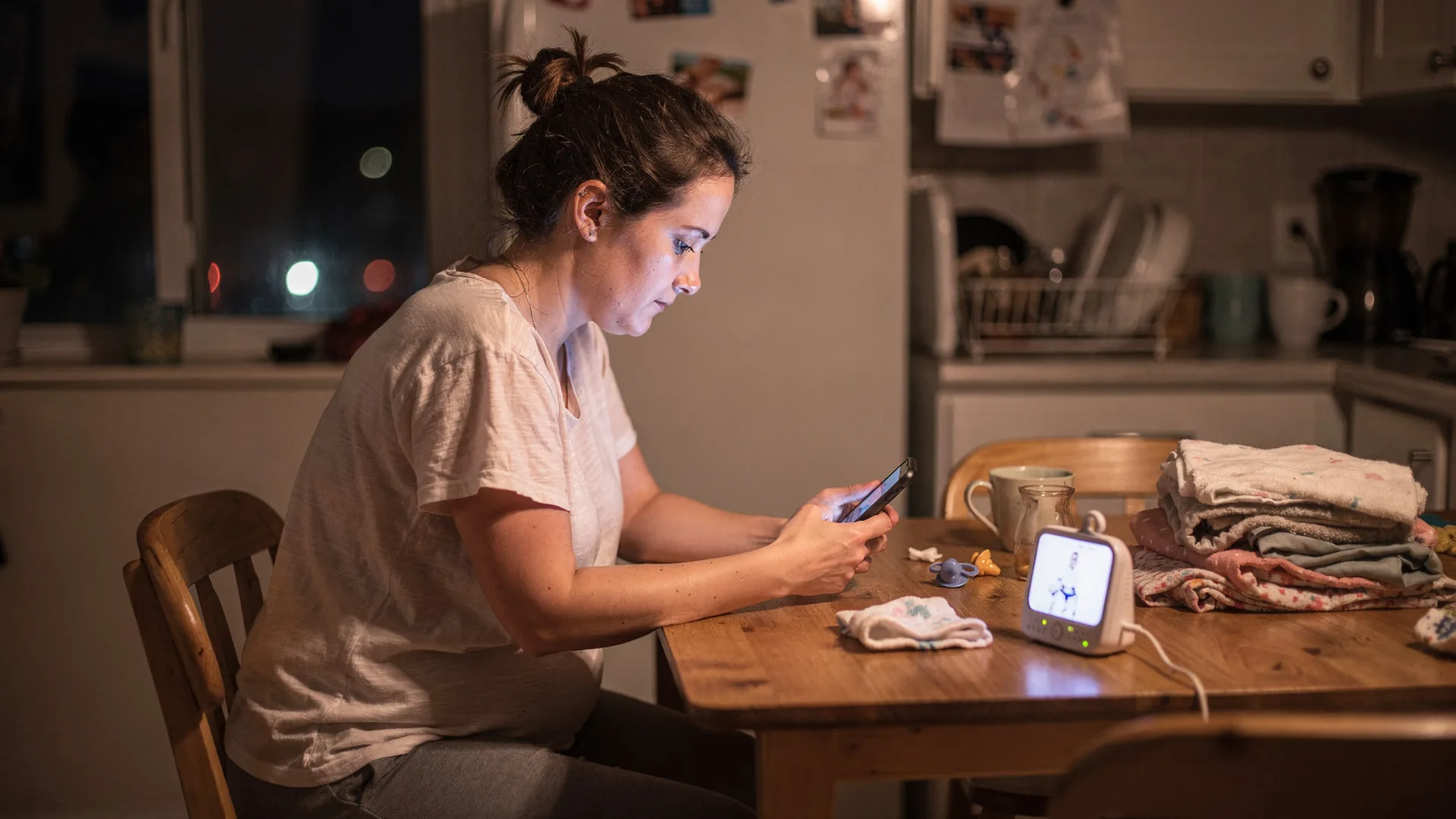
It helps to notice that touch had become almost entirely functional. All day it means work: reposition the baby, adjust the latch, hoist the carrier. So by night your body has filed touch under labor, and it braces against any hand the way you'd flinch from a task you're too tired to do. Being wanted for pleasure rather than utility can feel foreign in that state — not because desire is gone, but because your skin has forgotten touch can be anything other than another chore.
Words That Keep the Door Open
The flinch on your partner's face usually comes from a bad translation. They hear "don't touch me" as "I don't want you," when what you mean is "I've hit my limit for the day and it has nothing to do with how I feel about you." The fix is rarely more willpower. It's a better sentence.
Try naming the bucket out loud, before you're at the flinch stage: "I've been touched all day and I'm maxed out, so tonight I need closeness that isn't physical — can you just sit with me?" Give them a yes to reach for, not only a no. A specific ask protects the relationship far better than a silent recoil that leaves them guessing.
And on the days you do want to be held, say that too. The goal isn't a permanent no. It's an honest, moving line that both of you can actually see.
Your Skin Is Allowed a Limit
Being touched out is not a character flaw or a warning sign about your marriage. It's a normal response to a genuinely unusual amount of physical demand, and it eases as the season changes and your body stops being everyone's base camp around the clock.
You are allowed to crave tenderness and need an hour where nobody lays a finger on you. Both are you. Both are allowed. Protecting the limit is not the opposite of wanting love — it's how you keep the wanting alive. A bucket that's given a chance to empty can fill again. A bucket that's never allowed to drain just overflows onto everyone, all the time, and calls it resentment.